Stop running events.
Start building campaigns.
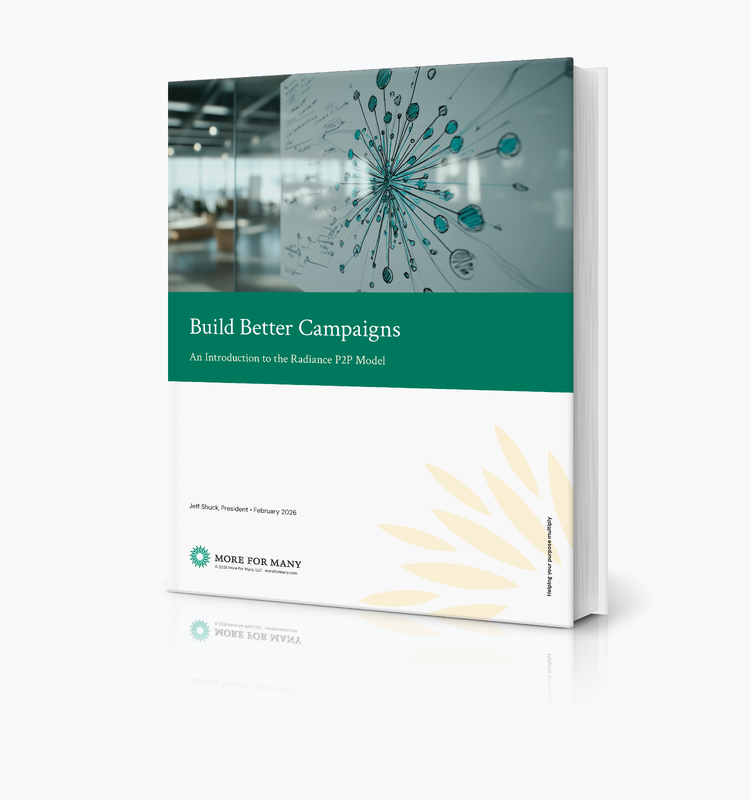
The P2P Radiance Model helps you design peer-to-peer fundraising programs that mobilize supporters, multiply impact, and build lasting community.
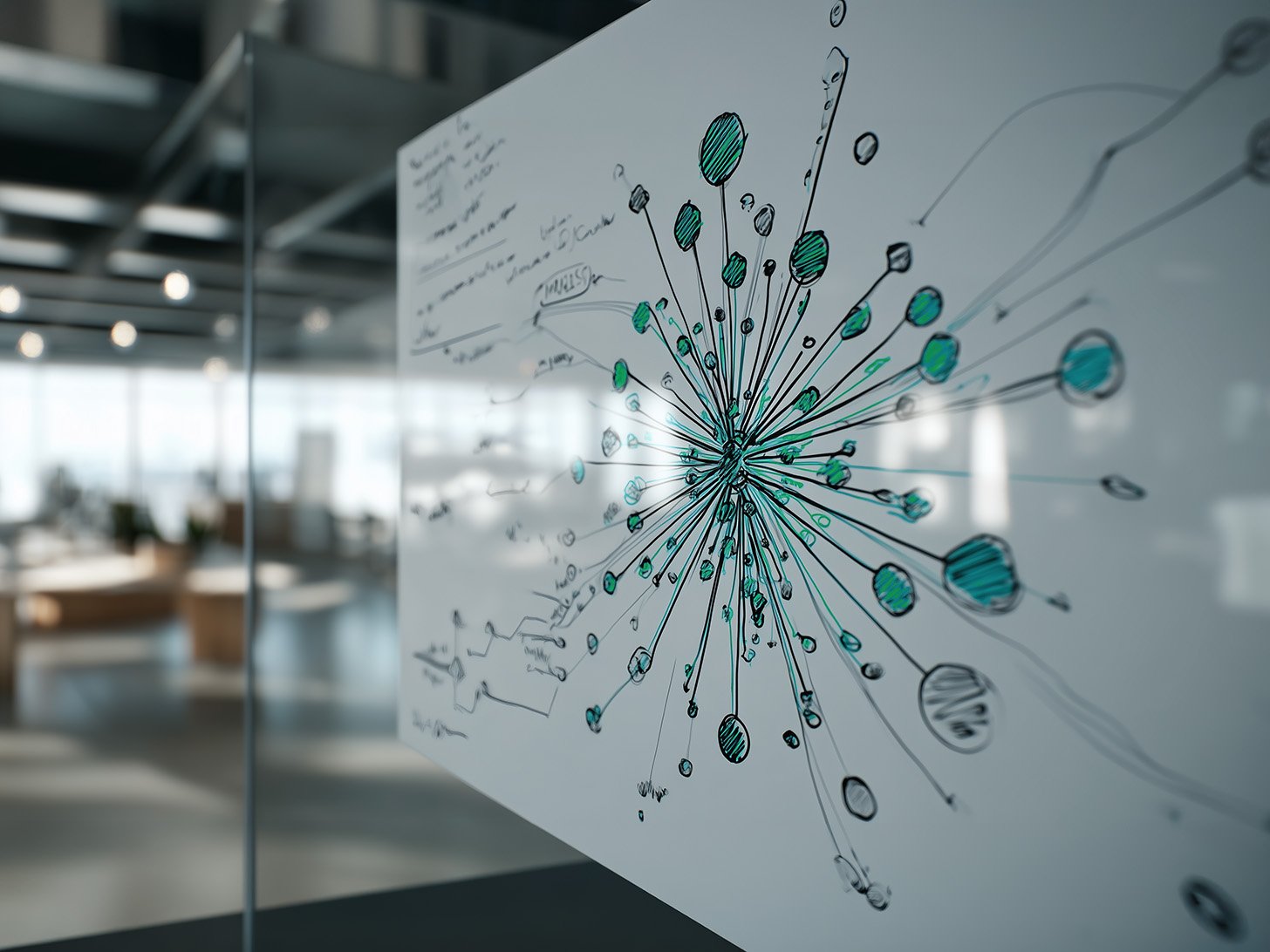
Introducing Radiance
You know the symptoms.
Participants register but never fundraise. The same loyal supporters show up every year while your database ages around them. The event costs more each cycle but raises about the same. Leadership starts to ask, "Why are we still doing this?"
Most organizations treat peer-to-peer as a line item — a revenue stream with tents, permits, and t-shirts attached. The event happens, the money comes in (or doesn't), and everyone moves on until next year. When results flatten, the instinct is to optimize tactics and trim costs.
P2P isn't a fundraising tactic. It's a community strategy with fundraising outcomes.
When you get that distinction right, everything shifts. Fundraisers stop feeling like they're begging and start feeling like they're inviting. Donors stop feeling solicited and start feeling included. And your organization stops treating the event as a cost center and starts seeing it as what it actually is: community infrastructure.
The Radiance Model gives you a framework to make that shift — ten essentials that help your mission radiate outward instead of just extracting money inward.
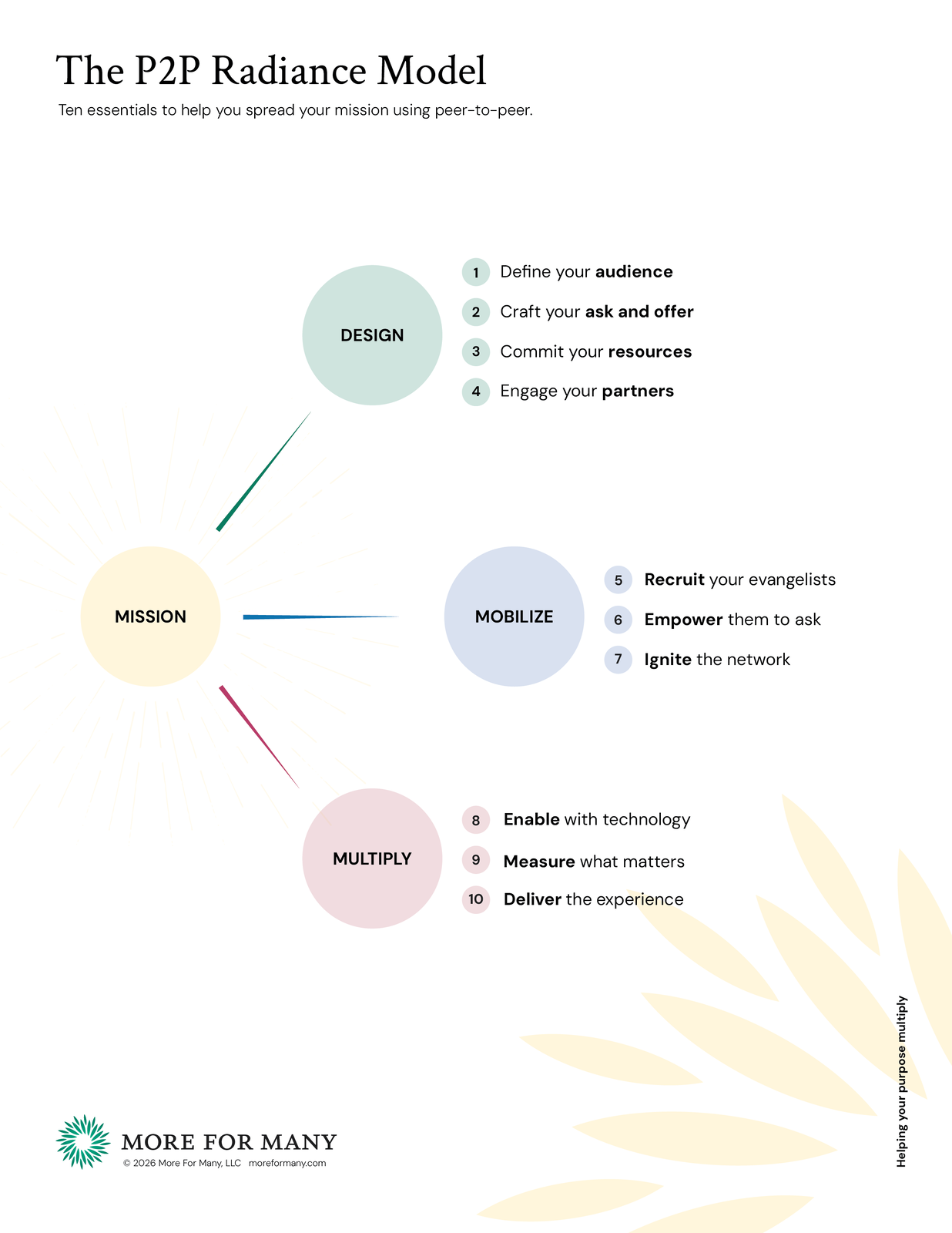
Ten essentials to spread your mission.
The Radiance Model organizes peer-to-peer into three phases — Design, Mobilize, and Multiply — with your mission at the center. Each phase builds on the last, creating momentum that compounds over time.
Design
Lay your foundation.
Before you recruit a single fundraiser, get clear on who you're trying to reach, what you're asking them to do, what resources you'll commit, and who will help you extend your reach.
Define your audience • Craft your ask and offer • Commit your resources • Engage your partners
Mobilize
Activate your people.
This is where you plan your outreach with intention. You can't just hand people a fundraising page and hope. You have to recruit the right voices, teach them how to ask, and create the conditions for momentum.
Recruit your evangelists • Empower them to ask • Ignite the network
Multiply
Scale your impact.
Technology, measurement, and experience are the systems that lift your program beyond what you can personally touch — and create the moments that empower supporters to do something special.
Enable with technology • Measure what matters • Deliver the experience
Why Radiance?
Most organizations think about peer-to-peer as extraction. How do we get supporters to pull money in from their networks? How do we squeeze more from the same participants? How do we optimize the funnel?
That's thinking about the program backwards.
It isn't an ATM. The best P2P programs don't extract–they radiate. Every fundraiser becomes a carrier of your story. Every donor they reach gets a personal introduction to your cause from someone they trust. Every participant becomes proof that your mission matters to real people.
Here's what makes the difference:
The mission is the seed. If your fundraisers can't explain your impact in one sentence, neither can their donors. One reason many P2P programs stall is message dilution. A clear, compelling mission gives people something worth spreading. What's yours?
Passion carries it. You can't manufacture enthusiasm with better emails. You have to start with people who genuinely care — the ones who would show up even if no one was watching. They're the ones who'll ask their friends. Don't start with trying to get the world to care. Who are the people most closely connected with your mission? Focus on them.
People spread it. Better platforms, good incentives, and best practices are all helpful, but that's not what transmits the message. Your supporters live in a peer-to-peer world, every day. They share what matters to them in countless ways. Give them something worth sharing, and make it easy to pass along.
Our Radiance model reflects this process. Start with your mission in the middle, and then help it radiate outward.
Rethinking Peer-To-Peer Strategy
Answers to the most common questions about how to build modern P2P programs that grow.
Start with the Design phase — specifically, revisiting your audience and your ask. Many stalled programs are still targeting the same supporters with the same pitch they used a decade ago. The Radiance Model helps you pressure-test whether you're reaching the right people with the right offer before optimizing tactics.
This is the core challenge of the Mobilize phase. Most programs hand people a fundraising page and hope for the best. Radiance emphasizes teaching people how to ask, not just giving them tools. That means coaching, modeling, and creating social proof that fundraising is normal and expected.
Ask this question: "If we cut this, what's our plan for building community some other way?" Many organizations asking "why are we still doing this?" are the same ones saying "we need to build community" and "we're too dependent on a few major donors." The only way to spread your mission is person by person, making a compelling personal connection. There are less expensive ways to do it, like digital marketing, but those methods are also much less personal. At some point, you have to connect with individual hearts.
Participation in some legacy formats has declined, yes. But that's not the whole story. Organizations that focus on cause connection and community continue to grow. Walk to End Alzheimer's went from $38M to over $100M by doubling down on mission, not gimmicks. The sector isn't dying; it's sorting. The programs built on strategy are pulling ahead; the ones built on inertia are falling behind.
The Multiply phase includes "Measure what matters" for a reason. Revenue is one metric, but it's not the only one. Track fundraiser activation rates, new donor acquisition, donor retention from P2P-acquired donors, and program-to-program retention. These tell you whether you're building community or just collecting money.
Less than some vendors may tell you, and more than you might think. The "Enable with technology" essential isn't about having the fanciest platform, it's about reducing friction for participants. The question is: what systems make it easy for people to participate? Start there, not with feature or price lists.
It may take two to three cycles to see meaningful change, assuming you need to make real adjustments, not just tactical tweaks. However, a solid framework like the Radiance Model paired with an excellent and passionate team can make huge headway. We recently worked with Fred Hutch Cancer Center's Obliteride and made major strides in over the course of a year and realized significant growth over the course of two. It can be done!
Our Latest Thinking on Peer-To-Peer
We regularly post practical tools and fresh ideas to sharpen your strategy, unlock insights in your data, and spark the inspiration your team needs.

The Community You'll Need in Five Years
Strategy isn't just about what you'll do. It's about who you'll need to do it with.

Your Innovation Budget Is Hiding in Your Outdated Line Items
Over the last several months, we've been exploring how to build strategic clarity b…

3 Easy Ways to Analyze Your Giving Tuesday Results
You Survived Giving Tuesday. Now What? The website changes went live. The emails al…